What a surge actually does
A surge is a short spike of voltage above what your wiring expects. Lightning is the dramatic version. The common version comes from the grid switching, or from big motors like an AC compressor cycling on and off.
Big surges fry electronics outright. Small ones chip away at them over months until something fails early.
How whole-house protection works
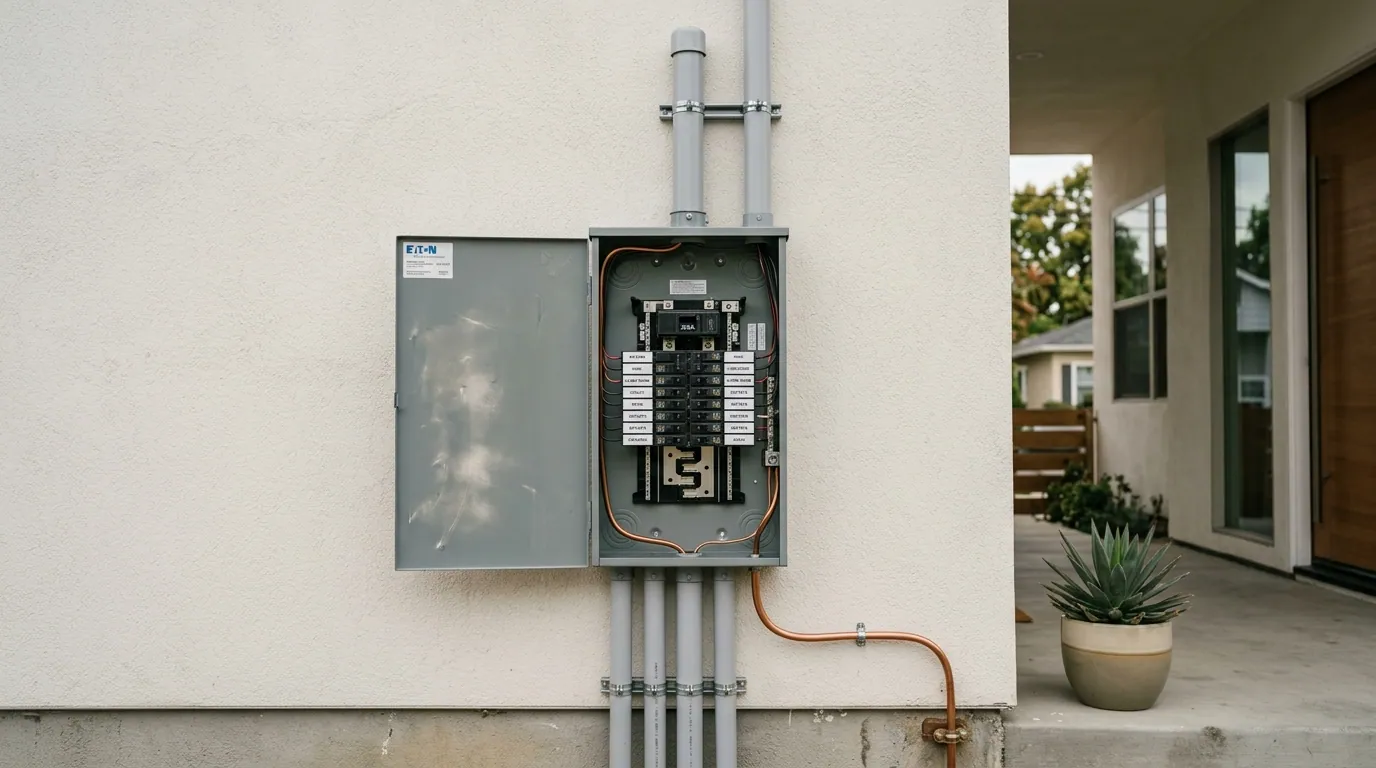
A surge protective device installs in or beside your main panel. When voltage spikes, it diverts the excess to ground before it travels to your outlets.
It is the first layer of defense. Point-of-use strips at sensitive gear add a second layer for the spikes that slip through.
Why Arizona homes see more surges
Monsoon season brings heavy lightning across the Phoenix metro. Summer heat also pushes the grid hard, which means more switching surges. A panel-level device is cheap insurance against both.
What it protects and what it costs
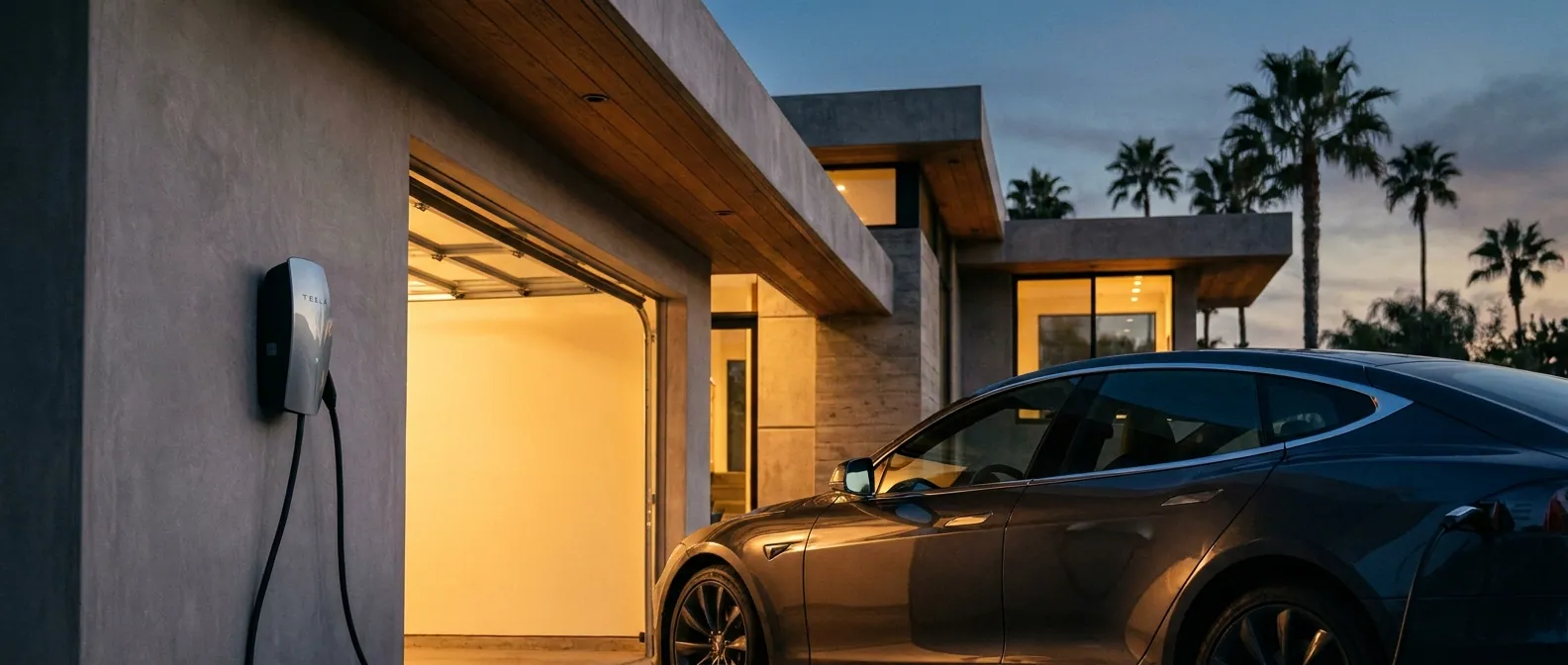
It guards HVAC control boards, appliances, the EV charger, and the electronics inside a solar and Powerwall system. Installed at the panel, it runs a few hundred dollars, against thousands in gear at risk.
Pair it with your other upgrades
If you are adding an EV charger, a Powerwall, or solar, this is the moment to add surge protection too. The electrician is already at the panel, and those systems are exactly what you want to protect.
We install whole-house surge protection across Southern California and Arizona. See our residential electrical services or get a free quote.