What Tesla rates the Wall Connector for
Tesla rates the Wall Connector for ambient operating temperatures from -22°F to 122°F (-30°C to 50°C). At ambient temperatures above 122°F the charger will reduce its output to keep internal components within safe operating range. This is called thermal derating.
Phoenix summer afternoon ambient peaks in the 110°F to 118°F range. In shade, the Wall Connector almost never sees temperatures that trigger derating.
Why sun exposure matters
Ambient air temperature is one thing. Direct sun on a sun-exposed exterior wall is another. A south- or west-facing exterior wall in Phoenix in July can hit surface temperatures of 140°F or higher in the afternoon. The Wall Connector mounted on that wall can run hotter than the published ambient rating.
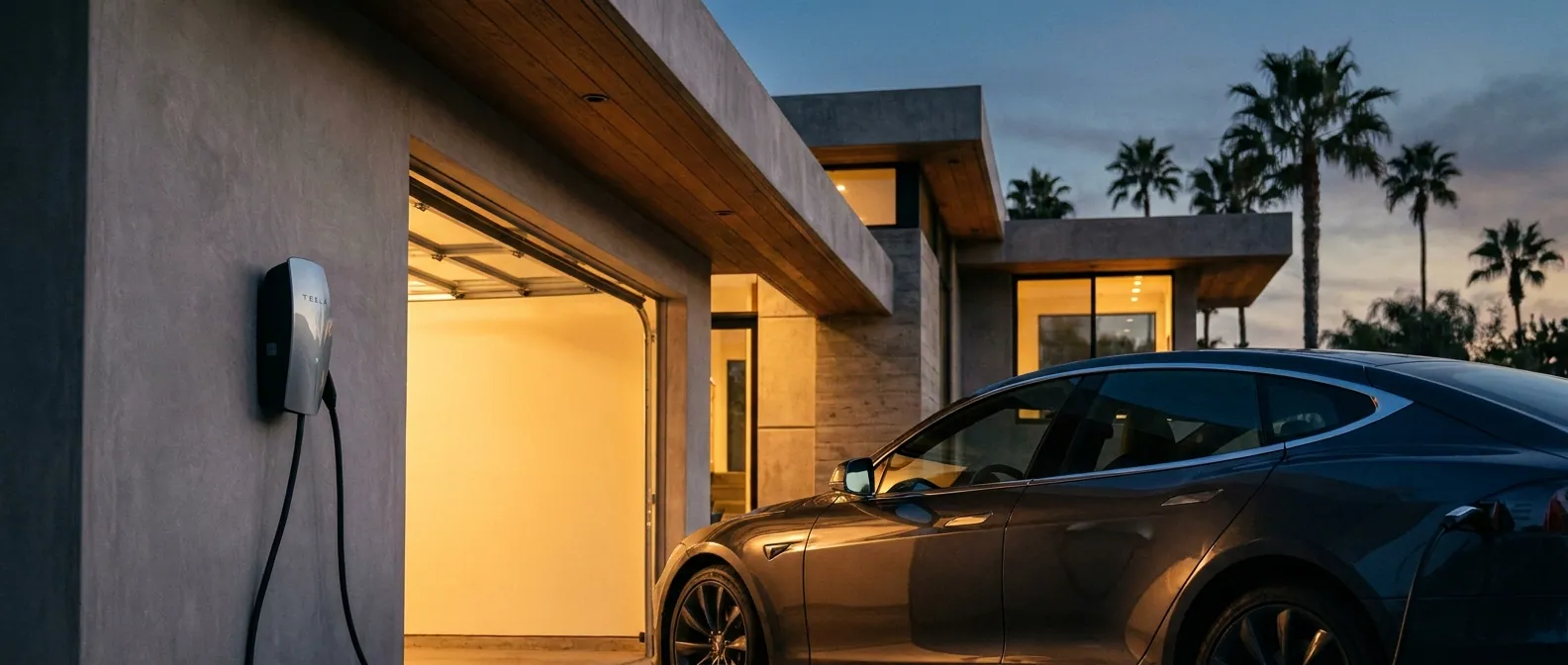
In practice, the most common Arizona Wall Connector install is inside the garage. Garage interior temperatures, even on the hottest afternoons, run 95°F to 110°F. Well within the operating range.
When sun-exposed mounting is unavoidable
Some Arizona homes do not have a garage, or the panel is on the opposite side of the house from the garage, or the install is at a multi-family property with an open carport. In those cases, sun-exposed mounting may be the only practical option.
Three things help in those situations:
Pick a wall that gets afternoon shade. An east-facing wall sees morning sun, which is rarely hot enough to push the charger into derating. A north-facing wall sees almost no direct sun.
Add a small overhang or sun shield above the charger. A 12-inch aluminum or steel overhang mounted 4 inches above the charger drops the surface temperature meaningfully. Tesla does not require this; it just helps.
Accept the rare derating. Even on a sun-exposed install, derating only happens during a few hours of the worst afternoons. If you charge overnight (which most Arizona EV owners do because of TOU rates), the charger is operating in cool ambient conditions when it matters.
Cable management in the heat
The charging cable on a Wall Connector is rated for high-temperature operation, but cable plasticity and flexibility decrease in heat. In Arizona summer, cables that sit coiled in direct sun for hours can become harder to manage.
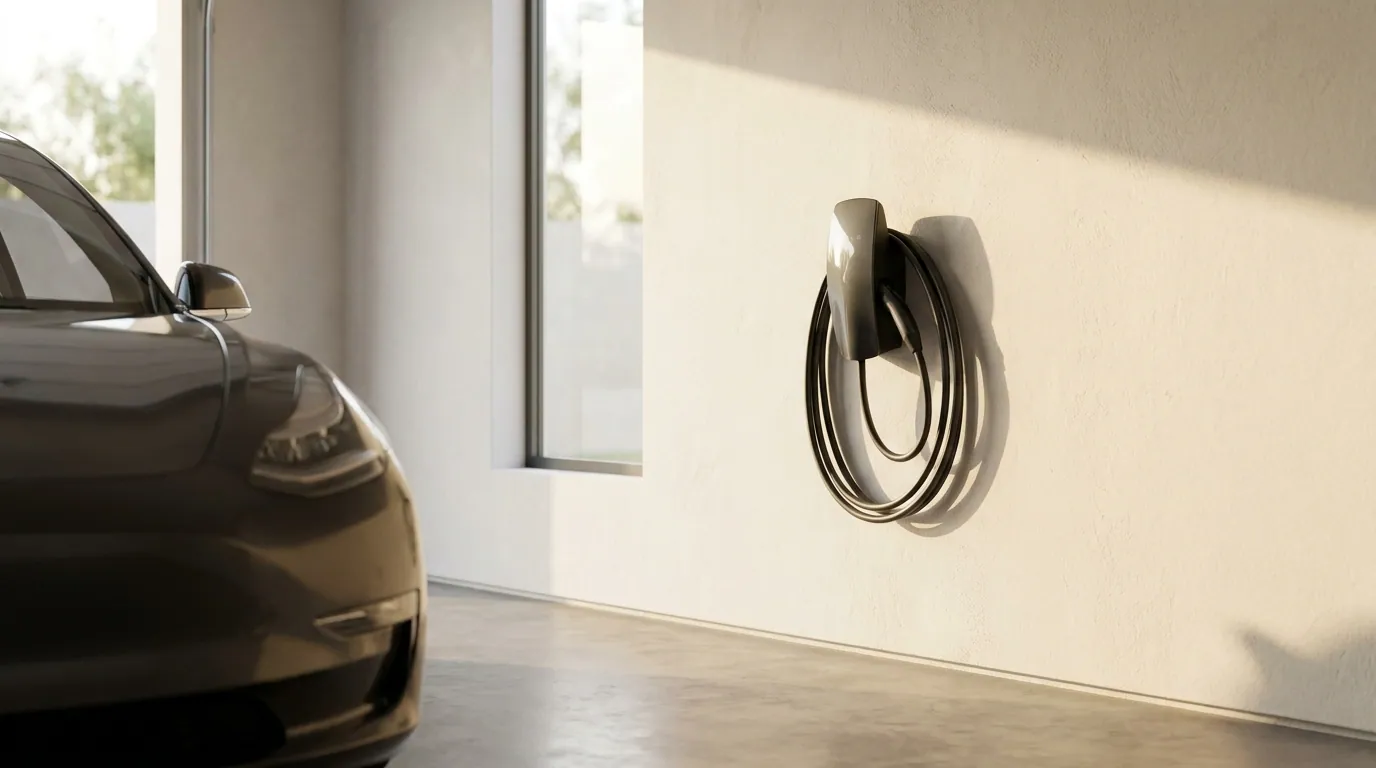
A simple cable hook (Tesla sells one, third-party options exist) keeps the cable off the hot concrete and out of direct sun when not in use. Worth the $25 or $30.
Conduit and wire considerations
Arizona heat does affect wire ampacity. The NEC ambient temperature correction factors apply to outdoor conduit installs. We size the wire based on the local maximum ambient, not the rule-of-thumb temperate-climate sizing.
For most home installs in Phoenix, this means using 6 AWG copper instead of 8 AWG for a 50A circuit, even though 8 AWG is the minimum spec on the Wall Connector. The slight upsize handles the higher ambient-derating without affecting performance.
Best practice summary for Arizona installs
Mount inside the garage when possible. The single biggest decision and almost always available.
If mounting outside, pick a shaded wall. East or north faces. Avoid south and west walls in direct afternoon sun.
Upsize conduit wire one gauge from the temperate-climate minimum. Cheap insurance against ambient-temperature derating.
Add a cable hook. Keeps the cord off hot surfaces and extends cable life.
Wrapping up
Tesla Wall Connector installations work fine in Arizona heat. Most considerations come down to mounting location and conduit sizing, both of which a Tesla Certified Installer handles as part of the install. See our Tesla Wall Connector installation services or request a free Tesla charger quote.