Charging Times by Charger Type
Level 1 (Standard 120V Outlet)
Plugging your Tesla into a standard 120V household outlet using the included Mobile Connector is the slowest option. It adds about 3-5 miles of range per hour. A full charge from empty on a Tesla Model 3 Long Range with a ~75 kWh usable battery would take 50+ hours at this rate, practical only for occasional top-ups, not daily charging.
Level 2 (240V Home Charger)
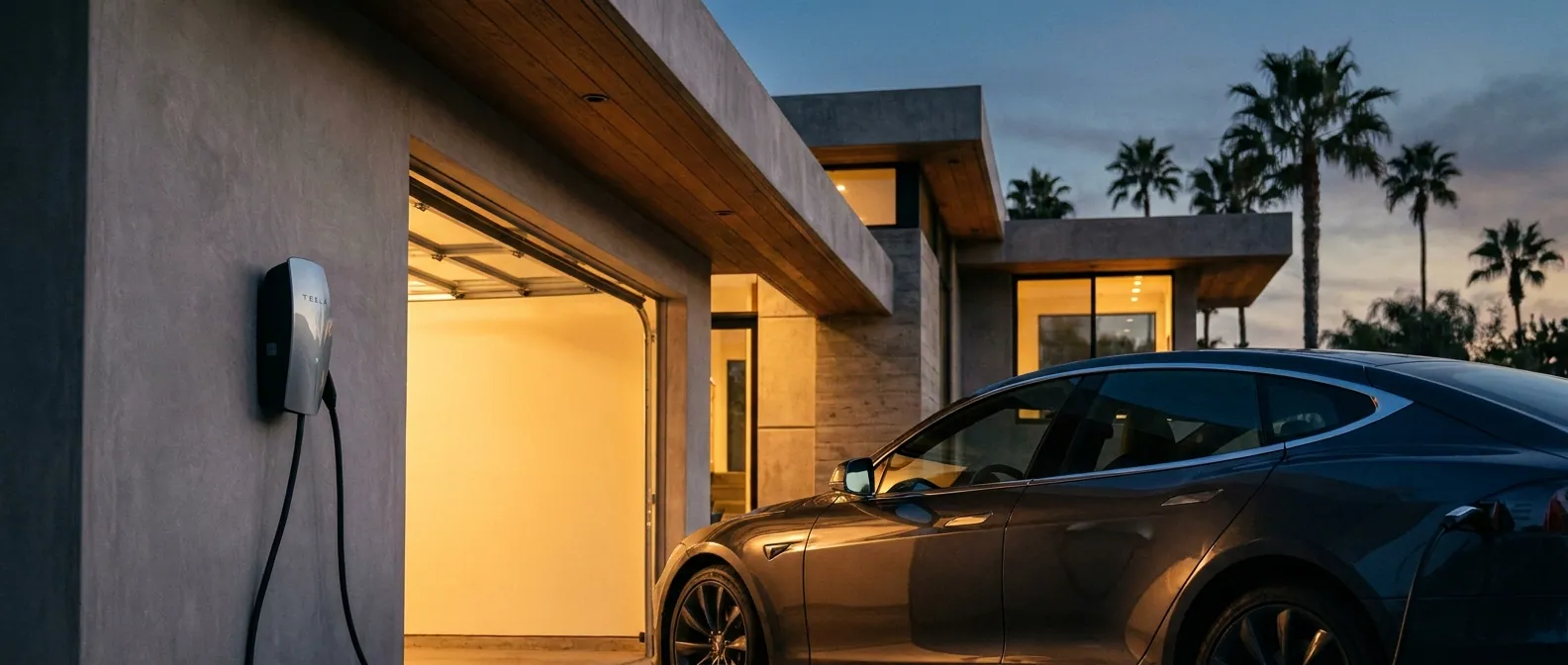
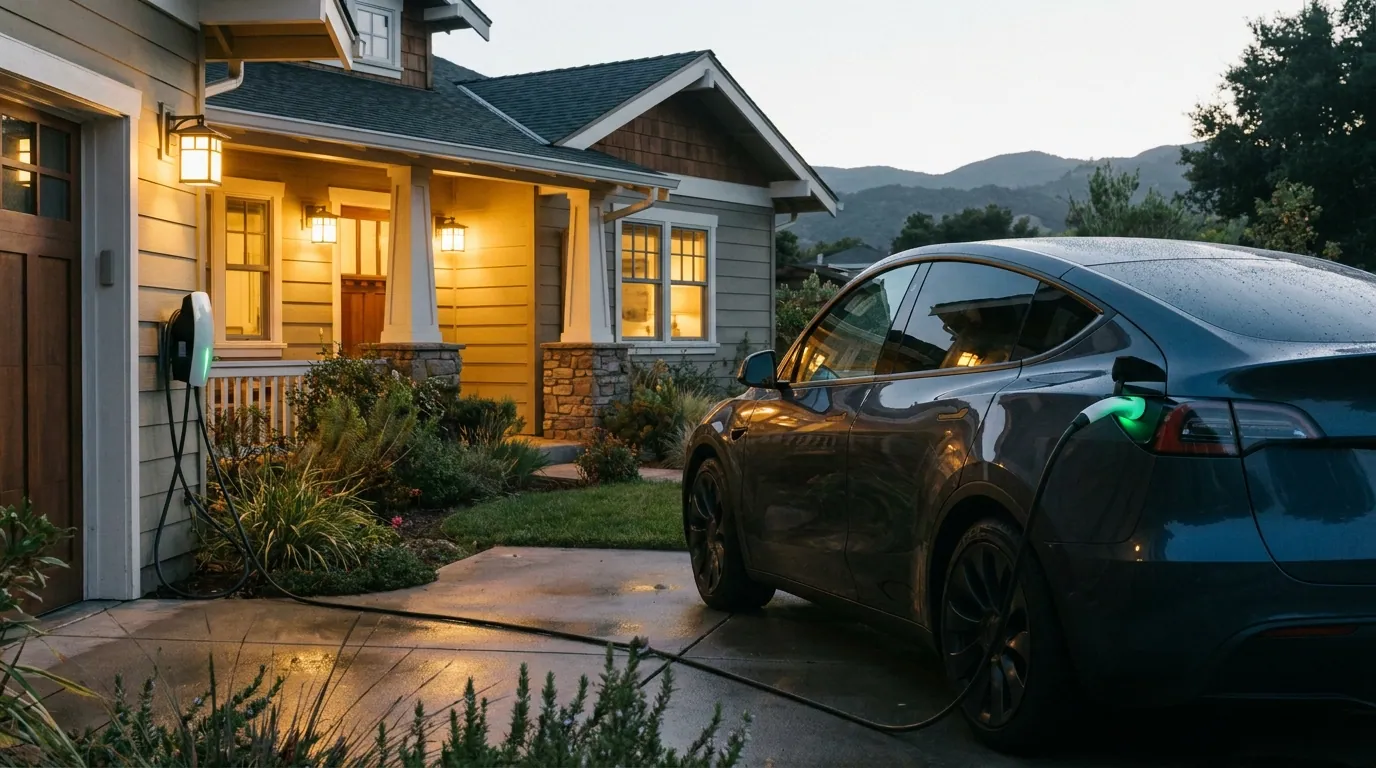
A 240V Level 2 home charger, like a Tesla Wall Connector, is what most owners use day-to-day. Charge rate ranges from about 25 miles per hour (lower-amperage installs) up to 44 miles per hour (Wall Connector on a 60-amp circuit). A full charge from empty typically takes 6-10 hours overnight.
Tesla Supercharger (DC Fast Charging)
Tesla Superchargers deliver 150-250 kW depending on the version (V2 or V3). On a Supercharger V3, a Model 3 or Model Y can go from 10% to 80% in about 25-30 minutes. Charging slows significantly above 80% to protect the battery.
Charging Times by Tesla Model
- Model 3 Long Range (~75 kWh): ~8 hours on a Wall Connector, 25-30 min on a V3 Supercharger to 80%.
- Model Y Long Range (~75 kWh): similar to Model 3, ~8 hours on Level 2, 25-30 min on V3 to 80%.
- Model S Long Range (~100 kWh): ~10-11 hours on Level 2, ~30-35 min on V3 to 80%.
- Model X Long Range (~100 kWh): similar to Model S, ~10-11 hours on Level 2, ~30-35 min on V3 to 80%.
- Cybertruck (123 kWh dual-motor): ~12 hours on Level 2 from empty.
What Determines Real-World Charge Speed
- Charger output (amps × volts = kW)
- Tesla onboard charger capacity (most home charging is capped by the car, not the wall connector)
- Battery state of charge, the closer to full, the slower it charges
- Battery temperature, cold batteries charge slower; preconditioning helps
- Whether you're sharing a Supercharger stall with another vehicle (shared power on V2 sites)
Bottom Line
For daily use, a Level 2 home charger overnight is the gold standard, plug in at night, wake up to a full battery. Superchargers handle road trips. Level 1 is a fallback. If you're an EV owner without a Level 2 setup, getting one installed is the single biggest quality-of-life upgrade you can make.
Rizzo Electric installs Tesla Wall Connectors, Universal Wall Connectors, and NEMA 14-50 outlets across California and Arizona. See our Tesla Wall Connector installation services or request a free Tesla charger quote.