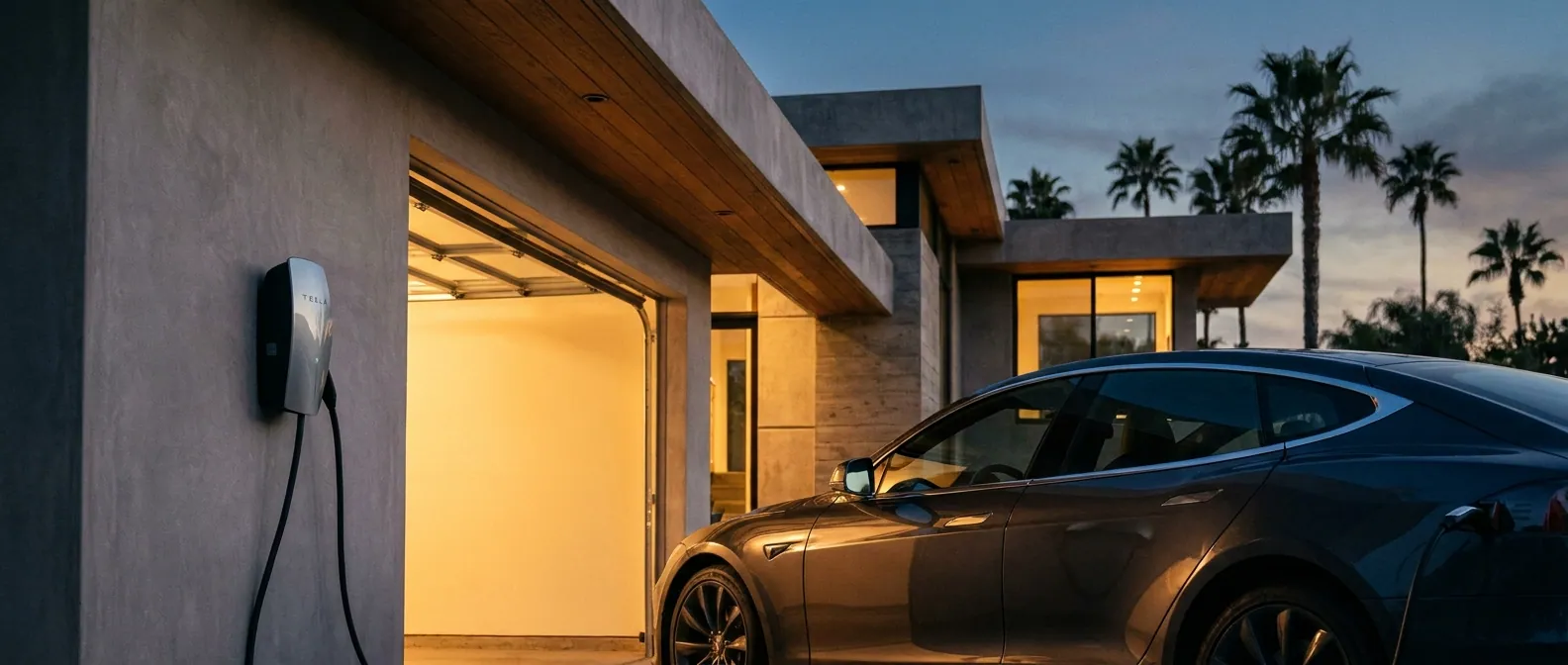
Site survey: one visit, about an hour. Permit: county or city, depending on your address. PG&E: an interconnection application, filed by the installer. Install: one to two days on site. Inspection and permission to operate: the longest stretch.
Who Issues Your Permit in Santa Cruz County
Santa Cruz County is split between the county and four incorporated cities, and the permit desk follows the address.
Unincorporated Addresses
Homes in Aptos, Soquel, Live Oak, Felton, Ben Lomond, Boulder Creek, Corralitos and the rest of the unincorporated county go through the County of Santa Cruz permit center. A Powerwall usually lands as an electrical permit with a battery energy storage scope, plan set attached.
City Addresses
Santa Cruz, Scotts Valley, Capitola and Watsonville each run their own building department with their own fee schedule and their own queue. Two neighbors a mile apart can sit under different desks.
Ask About Automated Plan Check
Some California jurisdictions accept automated online plan review for eligible residential solar and storage designs. Ask your installer whether yours does, because it can turn a plan check wait into a same-day approval. Designs with service upgrades, multiple batteries or unusual mounting go through standard review either way.
Coastal and Fire Considerations
Parts of the county sit inside the Coastal Zone, and parts sit in state responsibility fire areas up in the mountains. Both can add a review layer or push the battery to a specific wall. Flag your address at the survey so the design accounts for it on day one.
The PG&E Interconnection Step
PG&E is the utility for the whole county, and a Powerwall touching the grid needs an interconnection agreement before it operates in backup or export modes.
The Interconnection Application
Your installer files the application with the equipment model numbers, the inverter rating and a one-line diagram. A battery added to an existing solar array is a different filing from a solar plus battery project, and mixing them up is the most common reason a file bounces back.
What Happens to Your Solar Tariff
If you already have solar on an older net metering tariff, adding storage can keep you on it when the system is configured correctly. New solar paired with a battery goes on the net billing tariff, which is why batteries pencil out differently now than they did five years ago. We walk through that math in NEM 3.0 and why a home battery pays off.
Permission to Operate
After the county or city inspector signs off, the signed card goes to PG&E and the utility issues permission to operate. The battery can run in self-consumption before that in many configurations, and the full feature set waits for the letter.
What the Install Looks Like On Site
The Survey
An electrician photographs the main panel, reads the service rating, checks the meter location, measures the wall you want the battery on and looks at the path for conduit. One visit, about an hour. Sizing comes out of this visit plus a look at your bill: how many Powerwalls depends on the loads you want carried through an outage, and how many Tesla Powerwalls you need breaks that down load by load.
The Wall and the Weather
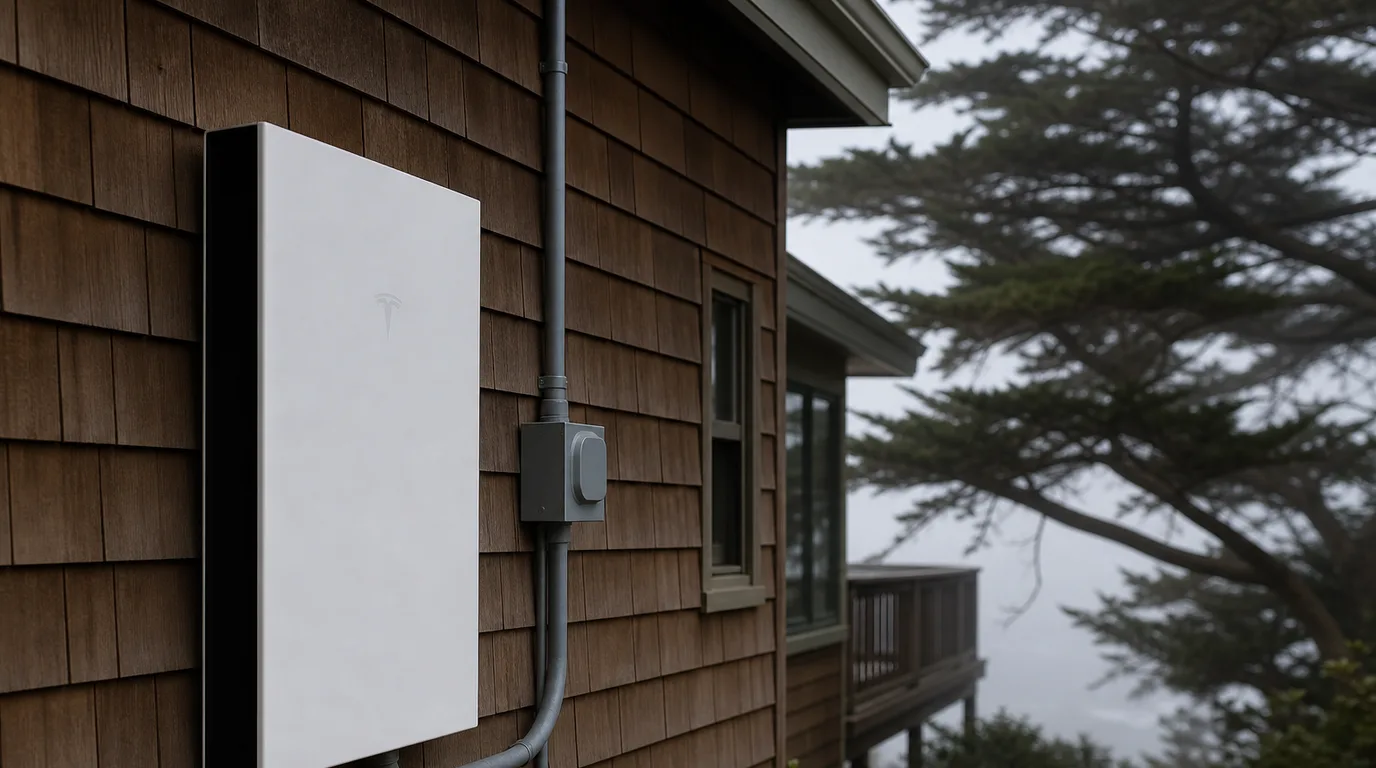
Coastal Santa Cruz County throws salt air and fog at anything mounted outside. Powerwall 3 is rated for outdoor mounting, and a sheltered wall, a garage interior wall or the lee side of the house still buys you a quieter unit and less corrosion on the conduit and disconnects. Inland and up the mountain, the concern turns to clearance from vegetation and from fire-rated assemblies.
Panel and Backup Scope
The gateway sits between the meter and your panel. Older homes in the county often arrive at 100 amps with a crowded bus. Two outcomes are common: a whole-home backup with a service change, or a backup loads subpanel carrying the fridge, well pump, lights, internet and a few circuits you name.
Install Days
One to two days for most single-battery jobs, longer with a panel upgrade or a trenched run. Power is off for part of one day. Tesla Powerwall installation day: what to expect covers the hour-by-hour version.
What Drives Powerwall Cost in Santa Cruz County
Four things move the number more than anything else:
- Battery count. Each added unit stacks hardware and labor.
- Panel condition. A 100 amp service feeding a whole-home backup usually means a service change first.
- Run length. A meter on the far side of the house, or a detached garage, means conduit, trenching and larger conductors.
- Backup scope. Whole-home costs more than a backup loads subpanel and carries more.
Permit fees vary by jurisdiction here, so get the fee quoted against your actual address. For a working estimate before anyone visits, run the numbers in our Tesla Powerwall cost calculator.
Bottom Line
The installer controls the design, the permit filing, the interconnection paperwork and the inspection booking. You control the two things that stall projects: deciding your backup scope early, and flagging a coastal, fire-zone or well-water address at the survey so the plan set is right the first time.
Rizzo Electric has been doing electrical work since 1979, licensed, bonded and insured, and the Tesla Powerwall installation page lays out how we scope a battery job. Book a free Powerwall consultation for your Santa Cruz County home and we will size the system, price the panel work and tell you which desk your permit goes to.