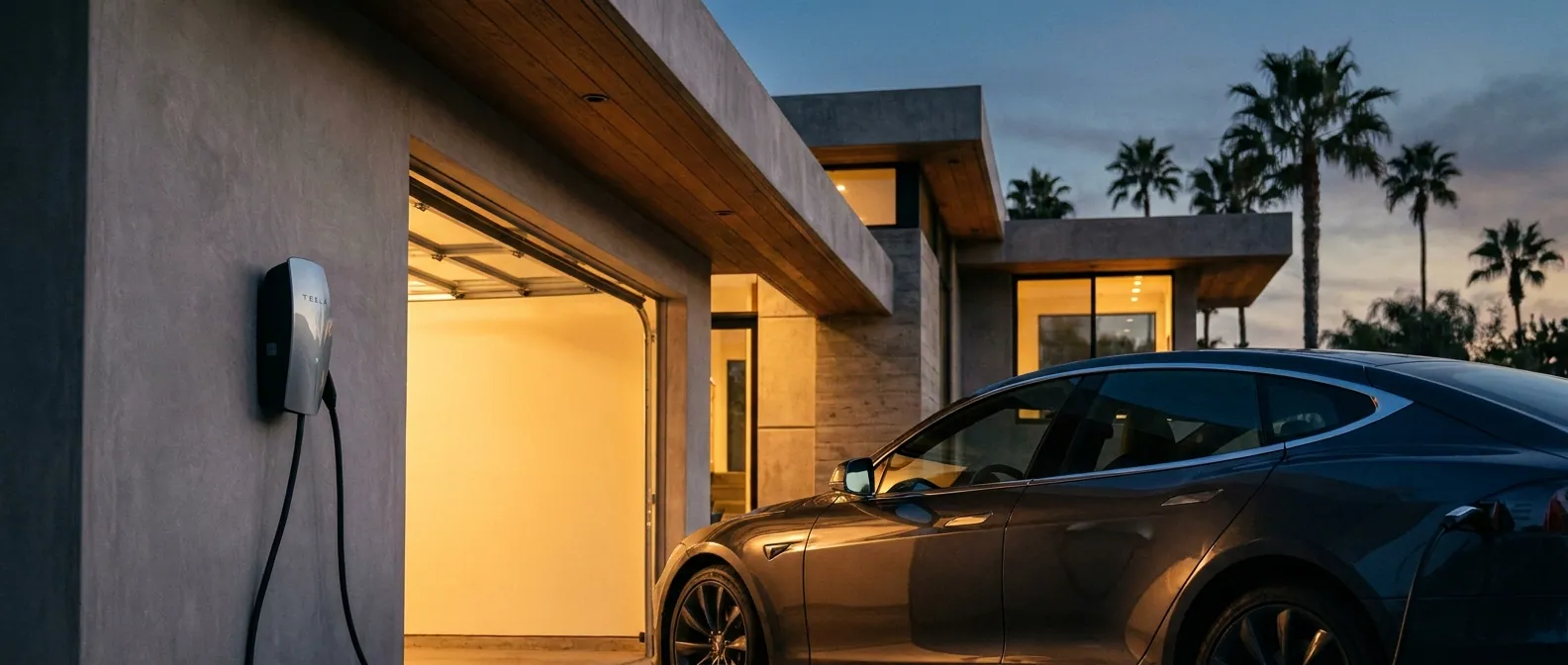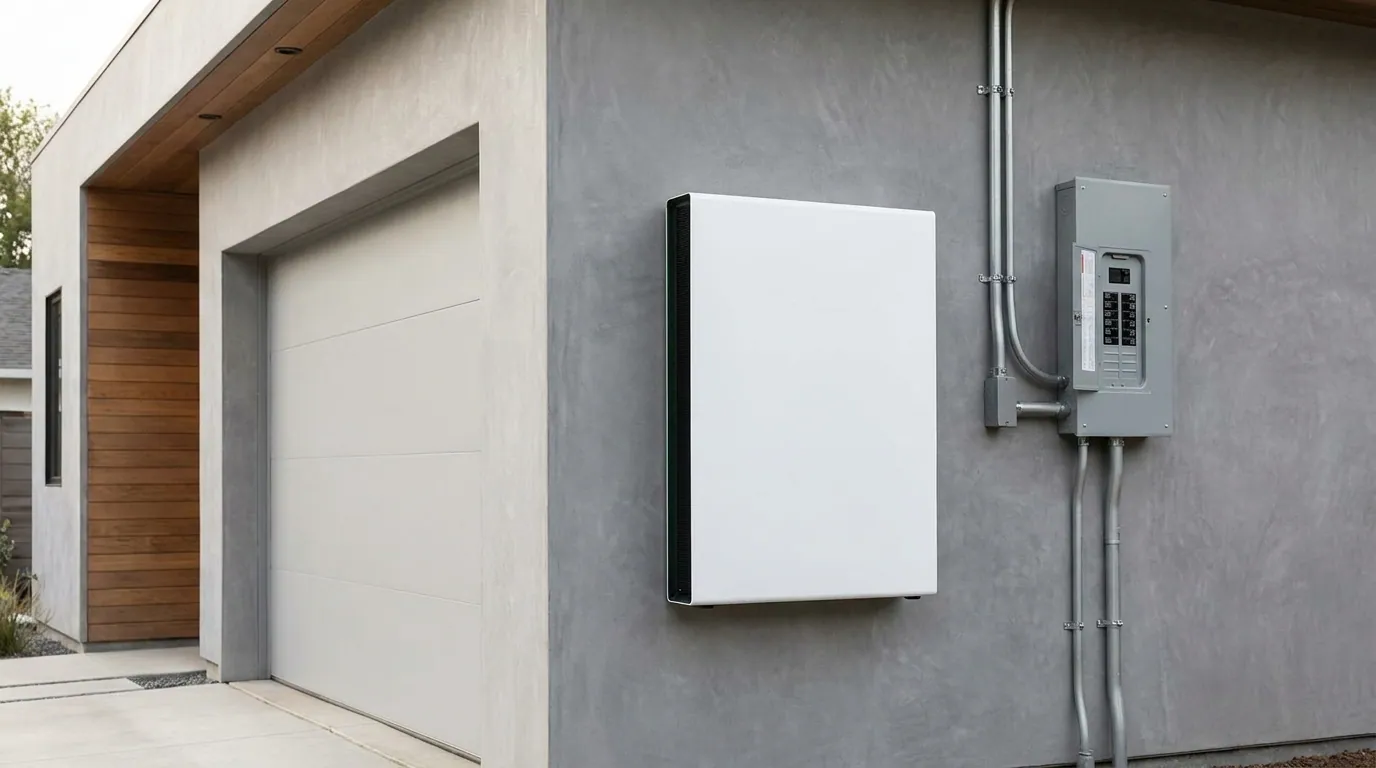
What NEM 3.0 changed
NEM 3.0 is the export rule for customers of PG&E, SCE, and SDG&E who applied after April 2023. It replaced full retail credit for exported solar with a much lower rate tied to the hourly value of power.
In plain terms, the utility used to pay you close to what it charged. Now it pays far less for the same exported kilowatt-hour. Daytime exports lost most of their worth.
Why the timing of your power matters
Solar makes the most power at midday, when grid value is low. Your home uses the most power in the evening, when grid value and rates are high.
Sending cheap midday power to the grid and buying expensive evening power back is a losing trade. Self-consumption is the win now.
Where a battery fits
A home battery stores your midday solar and releases it in the evening peak. You use your own power when grid power costs the most.
It also carries your home through outages and Public Safety Power Shutoffs. The lights, the fridge, and the AC keep running.
The incentive picture in 2026
California's SGIP program still offers rebates toward home battery storage, with larger amounts for equity and high-fire-risk customers. Federal incentives for home batteries changed for 2026, so confirm current eligibility before you count on a credit.
Is it worth it for your home
It depends on your rate plan, your usage shape, and your solar size. We model your actual bill against a battery before you commit, so the payback is a number you can see.
See our Tesla Powerwall installation services, run the numbers with our Powerwall cost calculator, or get a free Powerwall quote.